
Imagine you're launching a new product on a marketplace. You need a listing with a clean background, infographics, and — ideally — a short video showing the product in motion. Usually that means hiring a photographer, a designer, and a motion designer. Or doing it all yourself, spending hours on editing.
GPTunneL now offers a new workflow that changes the game. You can build a complete product card from scratch and turn it into a selling video — using nothing but text prompts. Let's break down how it works and why it matters for your business.
How product cards are usually made
The standard process looks something like this.
- First you photograph the product — often against whatever background happens to be on hand.
- Then you open Photoshop or hire a freelancer to cut out the background and replace it with a neutral one.
- Next comes the infographics. You need to come up with copy, find fonts, and arrange elements so they look clean and readable.
If you want a video, that's a whole separate story. Either you reshoot with a model, or you look for an animation specialist. Best case, the whole process takes a few days. Worst case — weeks of revisions and approvals.
A typical situation: entrepreneur Alex sells T-shirts through marketplaces. He has a product photo on a mannequin, shot in the office against a wall with a calendar on it. To make a decent listing, he spends 3-4 hours editing it. The result is mediocre. Adding infographics doesn't work out because he's "not great with design." A video isn't even on the table — too expensive, too complicated.
What's wrong with the current approach
The main problem is time and skill. Not everyone knows how to work in graphics editors. Even if you do, it eats up hours you could spend growing the business.
Freelancers solve the skill problem but create new ones:
- You have to explain exactly what you want;
- Wait days for the result;
- Pay for every revision;
- Find separate specialists for photography, design, and video.
In the end, the simple task of "making a product card" turns into a mini-project with a budget and a timeline. For small businesses, that's often unaffordable.
How the new approach works in GPTunneL
Now the whole process takes just 15-20 minutes, using only text prompts. Here's the step-by-step logic:
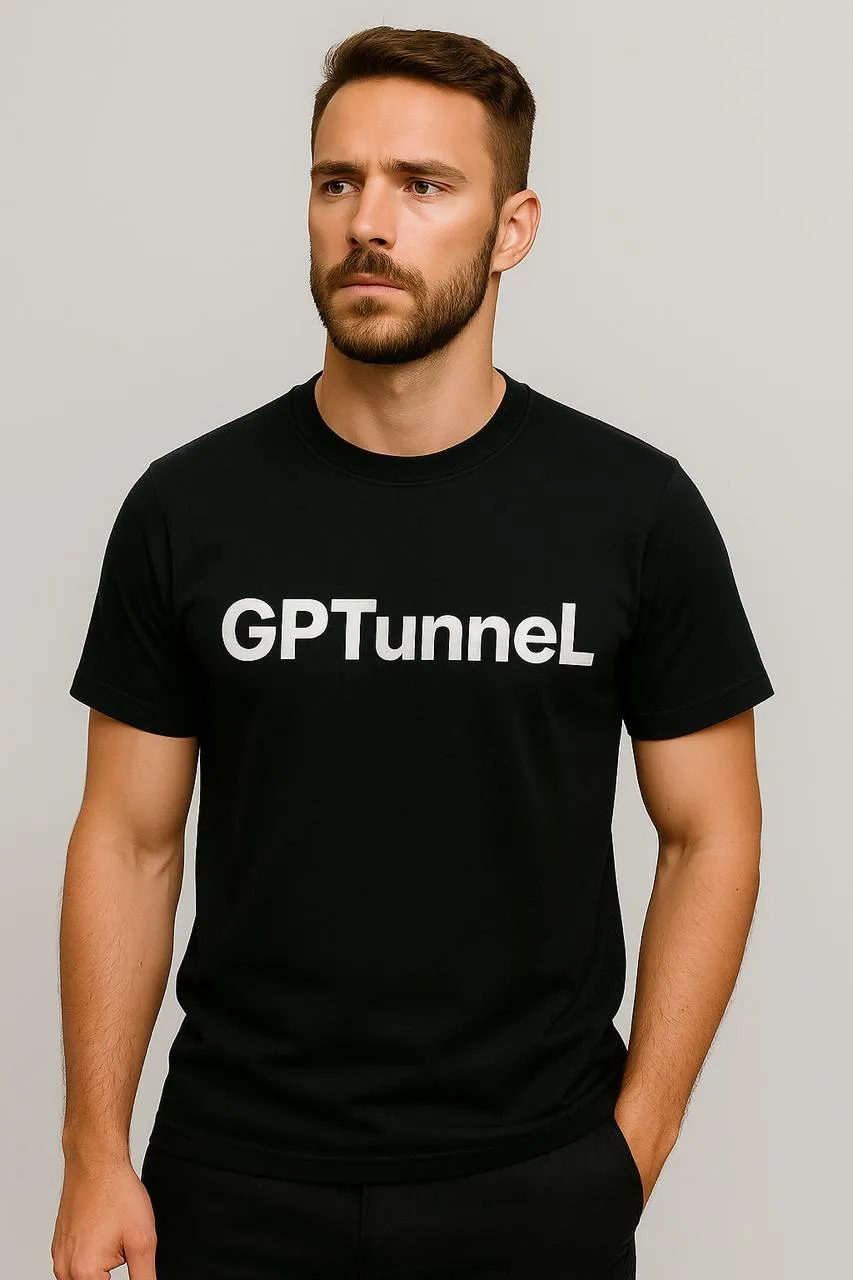
Step 1. Clean up the background

Upload the product photo to GPT Image 1 and write a simple prompt:
"Remove the background from this photo and replace it with a neutral solid-color background — light gray or beige. Soft, even lighting. The image should look clean, like a marketplace product card. No text, no logos, no extra details."
The neural network understands the context and does exactly what a marketplace listing needs — a clean, professional look.
Step 2. Add infographics
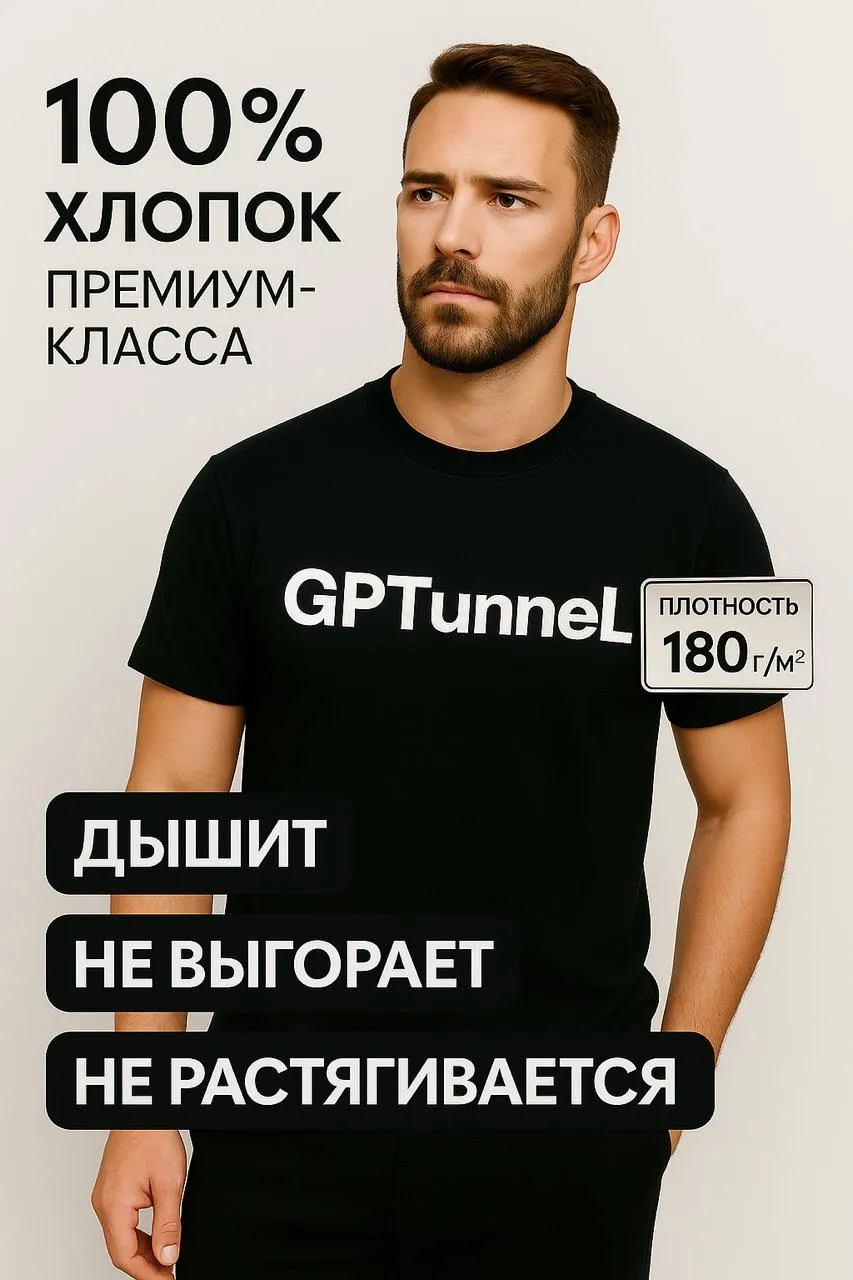
On the same image, add selling elements:
"Add selling infographics to this T-shirt photo in the style of a marketplace product card. Keep it minimal and readable. Infographics in English: top-left corner: '100% premium cotton'. Right side: 'Weight: 180 g/m²'. Bottom: 'Breathable', 'Won't fade', 'Won't stretch' — each point in its own black block with white text."
You get a finished card with text and graphics — as if a professional designer made it.
Step 3. Bring the card to life
Head over to Kling and turn the static image into a video:
"Create a video animation from this product card. A man in a black T-shirt with the GPTunneL logo on the chest stands against a light background, with static infographics around him. Make him smoothly turn his back to the viewer, then slightly to the side."
The result is a short promo video where the model moves while the infographics stay in place. This is exactly the kind of content that converts on marketplaces.
What you end up with
Back to Alex and his T-shirts. He used to spend half a day on a single listing and get an average result. Now the process looks like this:
- Photographs the product as-is — 1 minute
- Uploads it to GPT Image 1, cleans the background — 2-3 minutes
- Adds infographics — another 3 minutes
- Creates a video in Kling — 5 minutes
In 8-10 minutes he gets a professional product card and video. Buyers see all the information at once and can judge the product in motion.
Why it works
The secret is that AI tools understand context. When you write "product card for a marketplace," the system knows you need a clean background, good lighting, and readable infographics. You don't need to master settings or study design — just describe the result in your own words.
Another important point: all the tools work together. You don't jump between different programs, convert formats, or lose quality. You create an image — and animate it right away. Everything lives in one ecosystem.
Who this is for
- Small businesses that sell through marketplaces;
- Product managers testing new items;
- Marketers who need content right here, right now;
- Entrepreneurs who do everything themselves.
It's not a fit if you have a complex product with lots of details or need artistic photography. AI handles routine tasks brilliantly, but creative concepts still need a human touch for now.
Practical tips
A few things that will help you get a better result:
- Take the source photo in good lighting. AI works better with high-quality images.
- Be specific in your prompts. For example, instead of "make it look nice," write "light gray background, soft lighting, no shadows."
- For infographics, specify exact placement: "top-left corner," "bottom center."
- When creating video, describe the movement step by step: "first turn left, then right."
- Save prompts that worked well — you can reuse them for other products.
What's next
Imagine what happens when you can build entire catalogs in an hour or generate personalized product cards for different audience segments. The technology is moving fast, and what looks like magic today will be routine tomorrow. This use case is just the beginning.
The main thing is to start using these tools now. While your competitors are still deciding whether to try, you're already optimizing your processes and boosting sales. GPTunneL has everything you need — all that's left is to give it a try.