
Indie game Slotbound, built by 28-year-old South Korean creator Min Kim (Optima Arch) working alone without a team, sold more than 200,000 copies and grossed roughly $1.33 million in its first week after launching on Steam on November 13, 2026. What turned the release into a viral talking point is how it was made: a year earlier, Kim had no professional programming or game development background, and he assembled nearly all of the code and part of the artwork using AI tools.
The story quickly spilled past gaming forums and became a real-world test case for the "vibe coding" debate. Unlike weekend prototypes built for social media demos, Slotbound entered the open Steam market, carried a full AI disclosure notice, and held onto high player ratings.
Launch numbers and what the game actually is
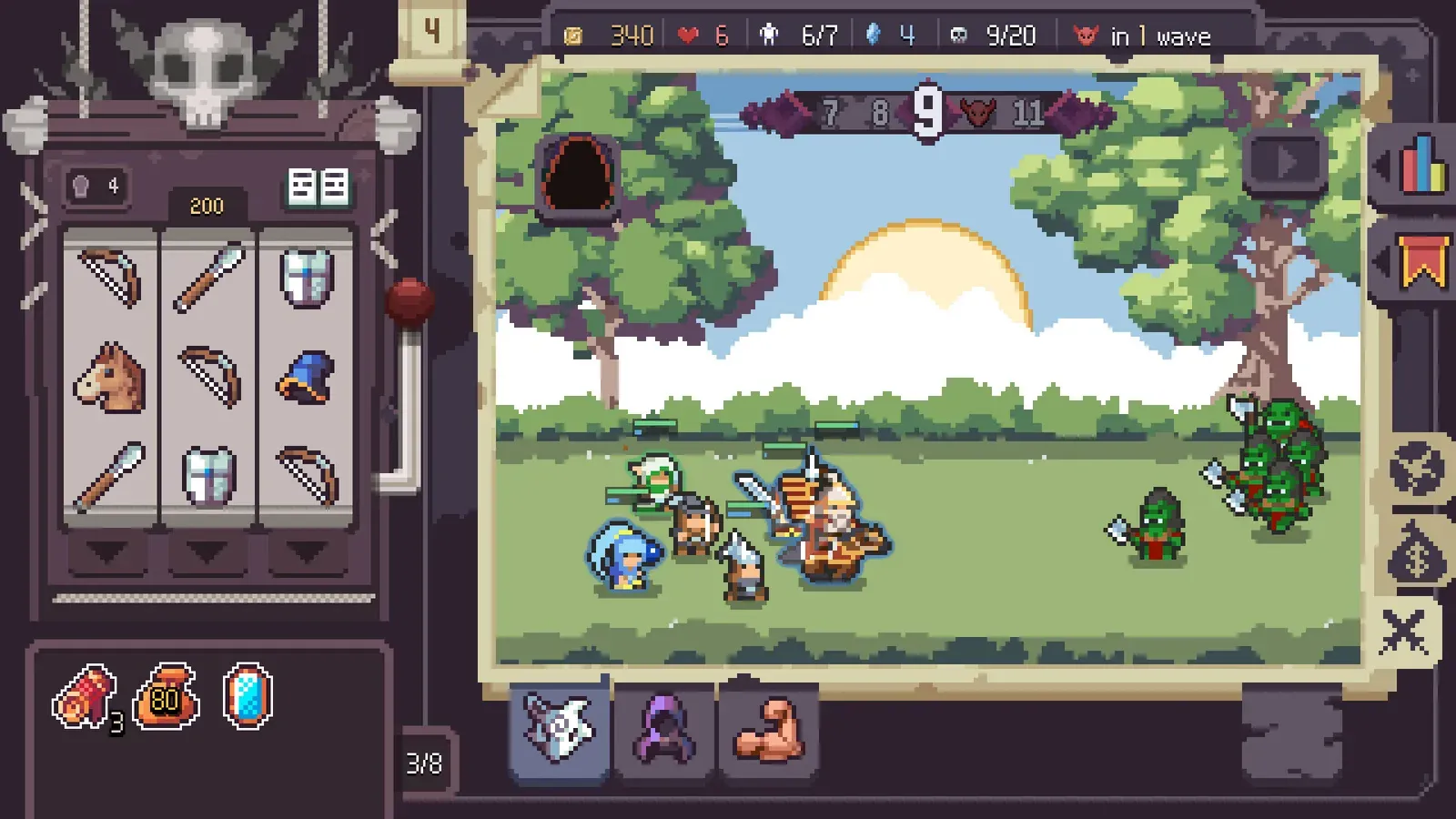
Slotbound is a roguelike tower-defense and auto-battler built around a slot-machine core. Players spin a 3x3 grid to summon and upgrade units, trigger synergies, and hold off escalating enemy waves and bosses.
According to its Steam store page and SteamDB as of late November 2026:
- Release date: November 13, 2026.
- Price: $9.99 (with regional pricing).
- Sales and revenue: over 200,000 copies sold and about $1.33 million in gross revenue during the first week (net take-home after Steam's 30% cut, regional pricing, and taxes has not been disclosed).
- Peak concurrent players: 32,770 simultaneous players on November 18.
- User reviews: "Very Positive" rating across more than 2,500 reviews, with positive scores ranging from 81% to 92% depending on language filters.
How Min Kim built it with AI and why he disclosed everything
In an interview with Inven Global, Min Kim said he started a year ago with literally "a square that moves using WASD." His main development expenses were monthly subscriptions to AI services (reported at around 30,000 KRW, or $20-30 per month), relying on AI coding assistants such as Claude, Cursor, and GPT models to write the codebase.
"Virtually almost all of the code was written by AI."
Unlike creators who try to hide generative AI usage, Kim filled out Steam's mandatory AI Disclosure section in detail. He explicitly listed the elements created with generative AI: main menu background art and animation, shop and Destiny Stone screens, stage backgrounds, and selected visual effects (VFX).
"I completely understand player concerns. The reason I disclosed it transparently is simply because I dislike lying."
At the same time, Kim pushed back against giving AI all the credit. While AI lowered the barrier to entry, he stressed that shipping a good game still comes down to the person directing it:
"AI is merely a tool, and the ultimate fun and polish of the end product remain the responsibility of the creator."
He also noted that as AI tools keep advancing, he plans to push solo development without a team as far as he can.
Three major debates sparked by Slotbound
Slotbound's breakout week triggered heated threads across Reddit (r/gamedev, r/aigamedev, r/aiwars), X, and gaming outlets including GamesRadar, TweakTown, and App2Top. The arguments fall into three clear camps.
1. Why players did not review-bomb it over AI
On r/gamedev, the biggest surprise was that a game with an explicit AI disclosure avoided backlash. Several earlier indie releases faced review-bombing and boycotts over far smaller uses of AI art.
Many commenters concluded that mainstream players are pragmatic: when a $9.99 gameplay loop is fun and responsive, most buyers judge the game itself rather than its production pipeline. Critics countered that hits like this normalize cutting artists and engineers out of small studios and risk flooding Steam with low-effort clones.
2. Is this really "vibe coding" or a year of real game design
Tech commentators - including The Pragmatic Engineer author Gergely Orosz - and indie developers pushed back on viral headlines framing the game as effortless prompt-driven success. They pointed out that Slotbound took roughly a year of work: designing systems, tuning roguelike balance, hunting down bugs, iterating on UI, and polishing the experience enough to keep more than 30,000 concurrent players engaged.
From that perspective, AI handled routine code generation, while the core product and game-design work remained firmly human.
3. Long-term code maintenance risks
Experienced software engineers warned about what happens after launch. A codebase written almost entirely by AI without deep architectural oversight is harder to maintain once hundreds of thousands of players report edge-case bugs and expect major content updates.
How smoothly Min Kim handles post-launch support for Slotbound - and whether he can repeat the hit in a second game - remains to be seen, as the title is only two weeks old at the time of writing.
What this means for independent creators
Slotbound highlights a real shift in indie game economics: initial development overhead can now fit inside monthly AI subscriptions, and an honest Steam AI disclosure no longer automatically kills commercial appeal.
Still, Kim's experience tempers the myth of overnight vibe-coded hits. Even with AI writing nearly all of the code, commercial traction required a year of iteration, a clear gameplay hook, and careful polish - the exact qualities players ultimately paid for.
Sources
- Slotbound on Steam - store listing, pricing, user reviews, and AI disclosure section
- Slotbound on SteamDB - November 13, 2026 release date, 32,770 peak concurrent players, and rating trends
- Inven Global interview with Min Kim (Optima Arch) - developer quotes on AI-written code, transparent Steam disclosure, and solo development