

Virtual influencers are digital creators built with neural networks and computer graphics technologies. They run profiles on Instagram, TikTok, YouTube, become the faces of brands, and even appear at online events. A digital influencer isn't a person — it's a virtual character acting on a script driven by algorithms.
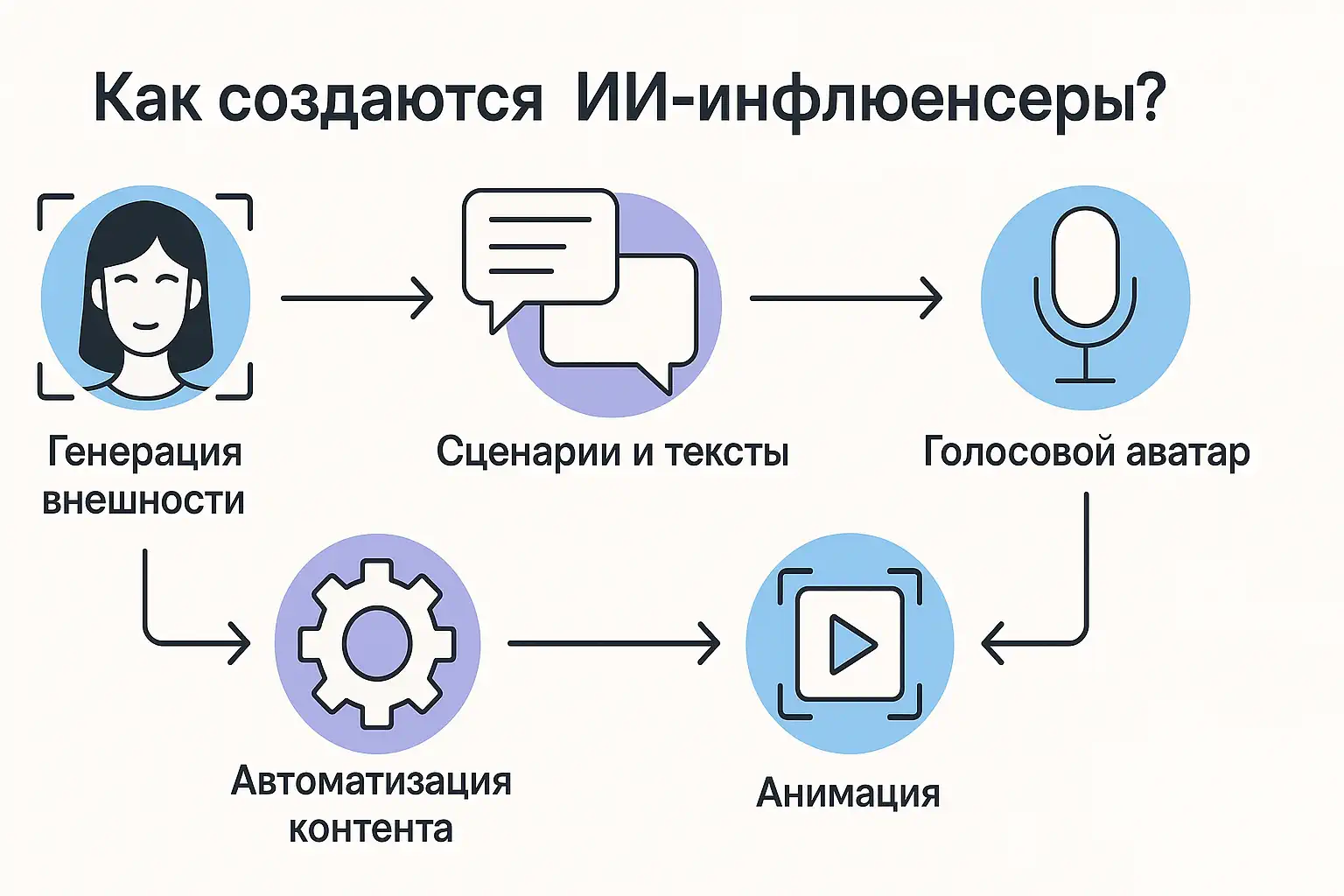
Interest in these personas comes from the transparency of control, the scalability of the persona, and the ability to avoid the typical risks that come with human influencers. The trend is driven by a mix of control (the brand dictates the topic and style), the technical ease of repeating storylines, and the novelty of a format where neural networks for creating influencers adapt behavior to the target audience.
- Control. No reputational risk — a virtual blogger can't "lose it" on a livestream.
- Scalability. A single digital character runs several social accounts or campaigns in parallel, speeding up content output.
- Creativity and novelty. The appearance, scripts, and voice of an AI influencer change to fit the brand's needs.
Virtual influencers are actively used on Instagram, TikTok, YouTube, and in the metaverse, as well as in partner marketing campaigns from major companies, setting new standards for digital communication and collaborations.
How virtual influencers are created with neural networks
Creating an AI influencer is a synthesis of several technologies: appearance generation, text and behavior synthesis, voice modeling, publication management, and animation. All the key processes are powered by neural networks for running social media accounts.
- Appearance generation. Image-generation networks such as Midjourney v6 or GPT Img 1 create the foundation for a unique look — realistic or stylized. For example, digital models on Instagram come to life through platforms for visual content generation and full-body animation.
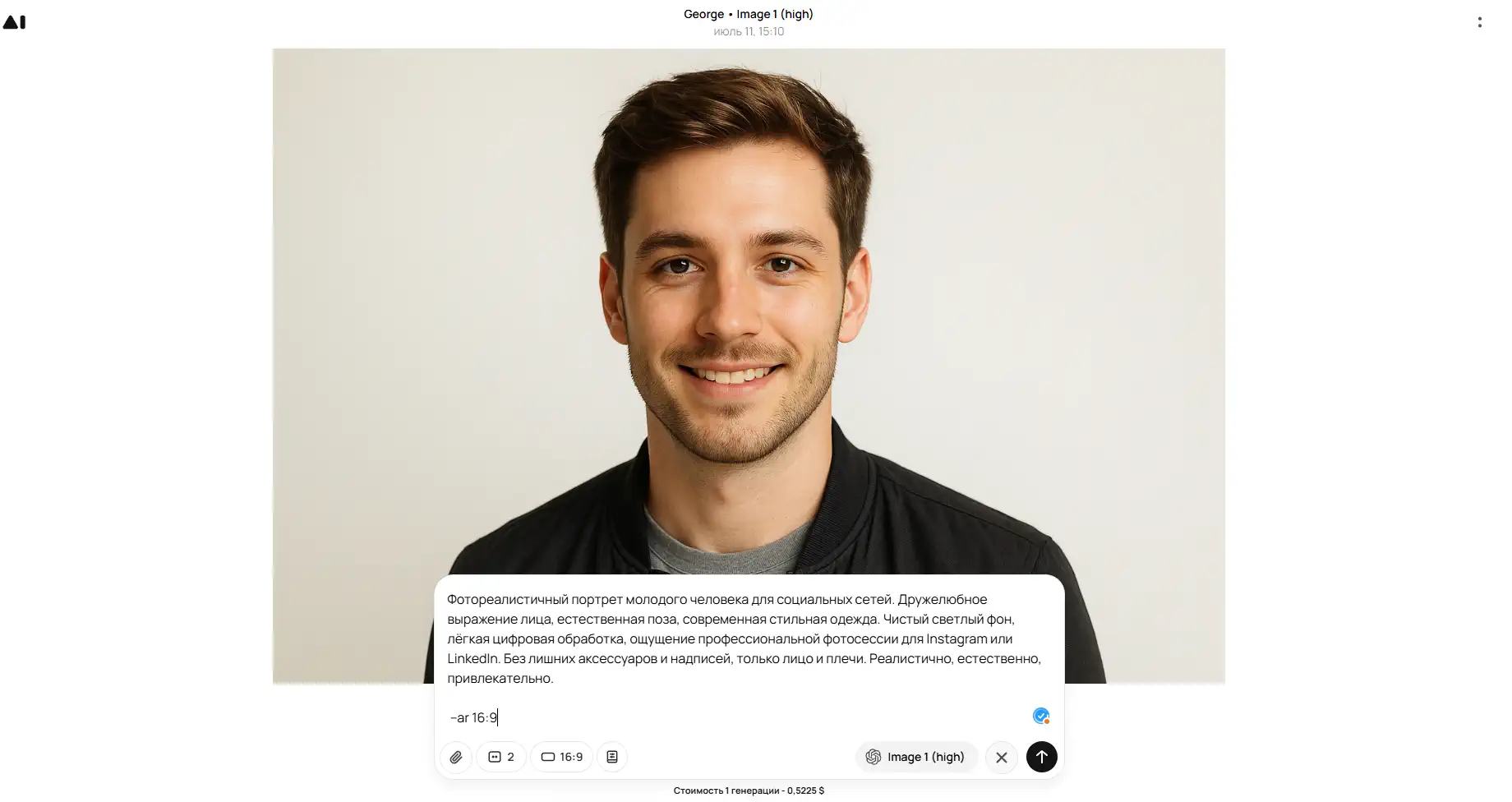
- Text and behavior synthesis. Specialized neural networks, like GPT 4.1, write scripts, generate post text, and predict how the character will react to followers' comments. The system doesn't just publish text — it adapts the synthesis of behavior and personality based on events and audience requests.
- Voice avatars. For videos and stories, tools like ElevenLabs synthesize a voice in the required style. Voice avatars for bloggers let you deliver lines in any language without a recording studio, while matching the influencer's persona.
- Content management. Automated generators and publication schedulers analyze current trends, generate series of posts, reply to comments, and keep content on the platforms up to date. AI analyzes audience reaction and adjusts the script if engagement drops or interest shifts to new topics.
- Deepfake and full-body animation. Deepfake technology allows for precise facial-expression copies, while full-body animation brings the character to life on video without an actor. Effective content creation by virtual characters is built on exactly these algorithms.
Examples of virtual influencers
A collection of successful digital creators shows the diversity of modern approaches to online persona and branding. Below are key examples of virtual influencers and specific solutions for different audiences:
- Lil Miquela — one of the best-known AI influencers, with an Instagram profile and ad campaigns with fashion and tech brands. Her appearance was created by AI models, and her text and scripts are adapted by neural networks to fit a "digital millennial" style.
- Noonoouri — a virtual blogger with a cartoonish look, used as an ambassador for fashion brands, including ones with a focus on eco-initiatives. All the visual content is generated by AI.
- CodeMiko — a digital influencer that actively uses deepfake and animation to power livestreams. The character's various roles and behaviors are built on the fly with AI modules.
- Imma and Lu do Magalu — examples of Asian and Brazilian characters adapted for local markets. Their platforms use image-generation networks for social media, engagement analysis, and trend prediction.
Most examples of virtual influencers are managed by full teams of developers and creators — however, key decisions (such as replying to comments or choosing publication timing) are already being delegated to automated, neural-network-based systems.
How businesses use digital creators
Businesses value AI influencers for their ability to keep brand consistency without the risk of reputational damage. Using a virtual blogger in advertising or streaming gives companies several advantages:
- Launching digital campaigns. A digital character acting as a brand persona runs an Instagram profile, takes part in presentations, and joins partner livestreams together with popular opinion leaders.
- Virtual ambassadors. Businesses integrate AI influencers into their communications — for example, creating a virtual model persona to promote fashion collections or tech products.
- Working in the metaverse. Companies use deepfake technology, replicating influencers' appearance at digital events and testing brand-collaboration formats with virtual characters in VR spaces.
Nearly every major campaign today includes a test scenario where a digital influencer takes part in a giveaway, an interactive segment, or a livestream alongside real celebrities. Neural-network tools for running social media accounts make it possible to automate the publication schedule, react quickly to memes, and build a unique visual identity for advertising.
How to create your own AI influencer
Creating your own influencer is a step-by-step task that doesn't require deep programming knowledge if you use ready-made platforms or services.
- Define the use case — for advertising, a blog, chat support, or streams.
- Choose tools for generating visuals (for example, image-generation platforms) and text (neural networks for synthesizing posts, AI text generation). In GPTunneL, you can sketch out such an influencer with GPT Img 1, and generate text with GPT-4.1 or Claude 4 Opus.
- Set up the synthesis of behavior and reactions on social media: automated comment handling, publication style selection.
- Use a voice avatar for stories or livestreams.
- Manage the publication schedule with scheduling systems — generate, test, and quickly adjust scripts for new tasks.
Basic solutions are available in services for virtual Instagram models, while more complex tasks call for studios specializing in deepfake and full-body animation.
In summary
Virtual influencers have already become a response to the trend of manufactured opinion leaders, letting brands test new communication formats in digital markets. The main strategy is a smart combination of neural-network solutions for automation and control with editorial expertise, which stays with a human. Looking ahead, the growth of digital personas is just one part of a larger market transformation, where identity and influence become modular and manageable.
FAQ
Can you create your own virtual blogger without a team?
Yes, modern tools let you launch a digital blogger without hiring developers. Platforms with ready-made templates, social-media image generation, and automated text creation are suitable for a solo start. The possibilities are limited by the scale and uniqueness of the persona, but for personal or small commercial projects, the available solutions are already good enough.
Do brands really work with AI influencers?
Yes, digital influencers are becoming part of the advertising and partnership programs of most major companies. Examples of collaborations include Prada, Adidas, Samsung, and IKEA. In these projects, transparency of control and the ability to quickly scale communication for the campaign's needs play a key role.