
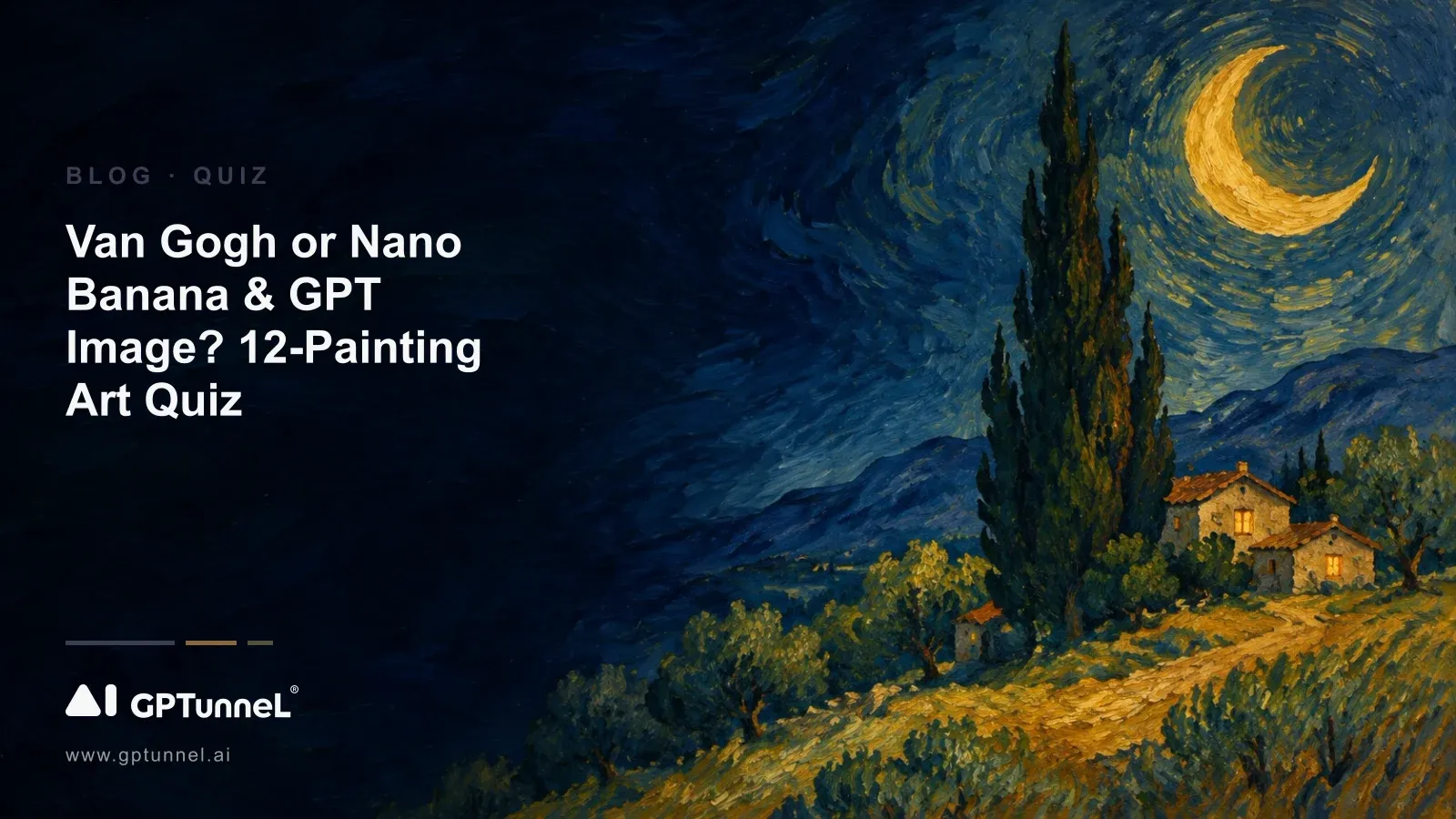
Everyone knows The Starry Night and Sunflowers, yet Vincent van Gogh painted hundreds of far less famous works - from somber Dutch rural scenes to near-abstract late studies. We mixed 6 real Van Gogh originals with 6 paintings generated in GPT Image 2.6 Sunburst and Nano Banana 2.1.
Examine all 12 canvases and decide who made each one: Van Gogh or AI. Once you pick an answer, you will see the explanation, museum source, or full generation prompt.
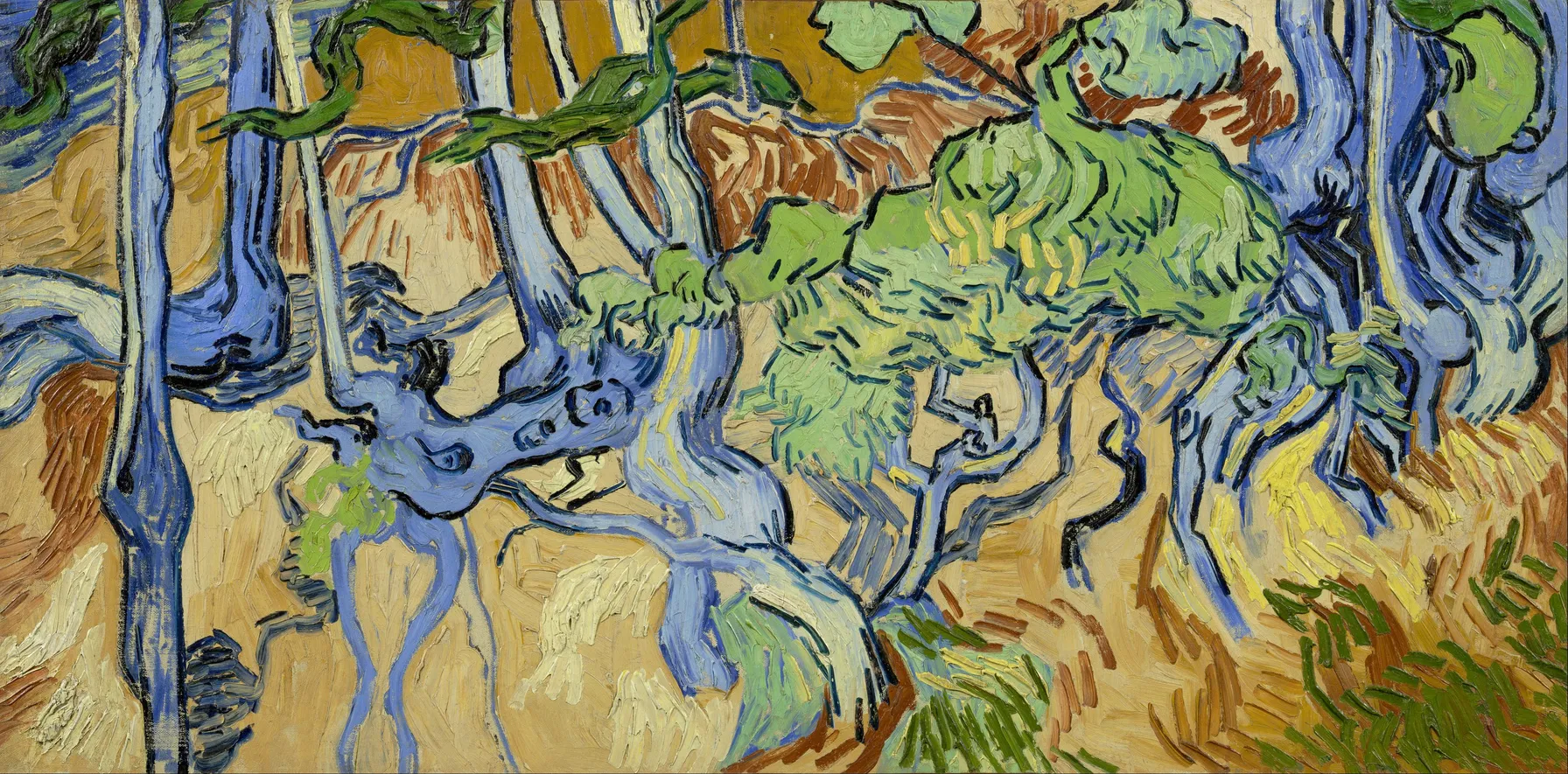
Painting 1. Roots on a Hillside
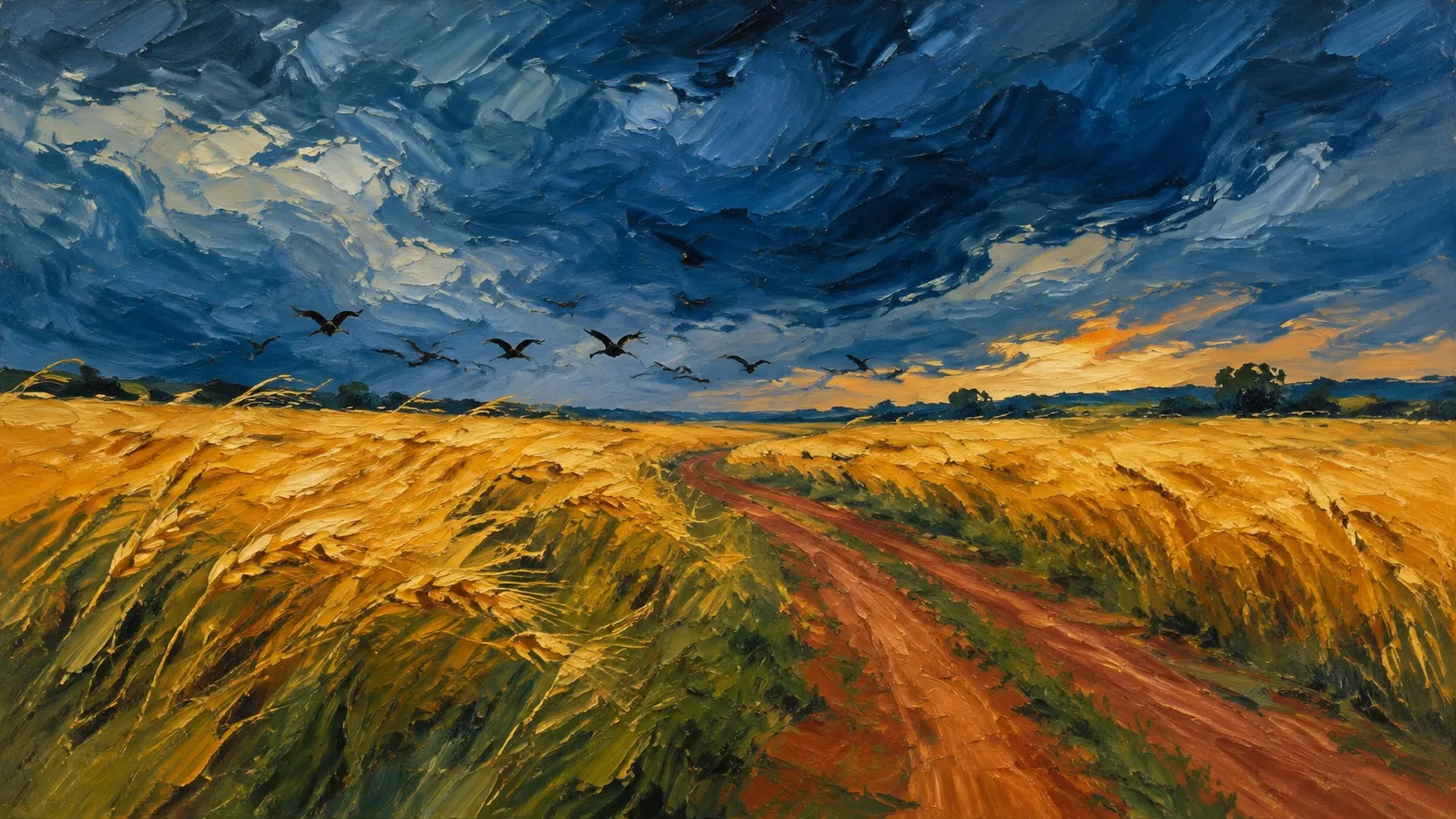
Painting 2. Stormy Sky over a Yellow Field
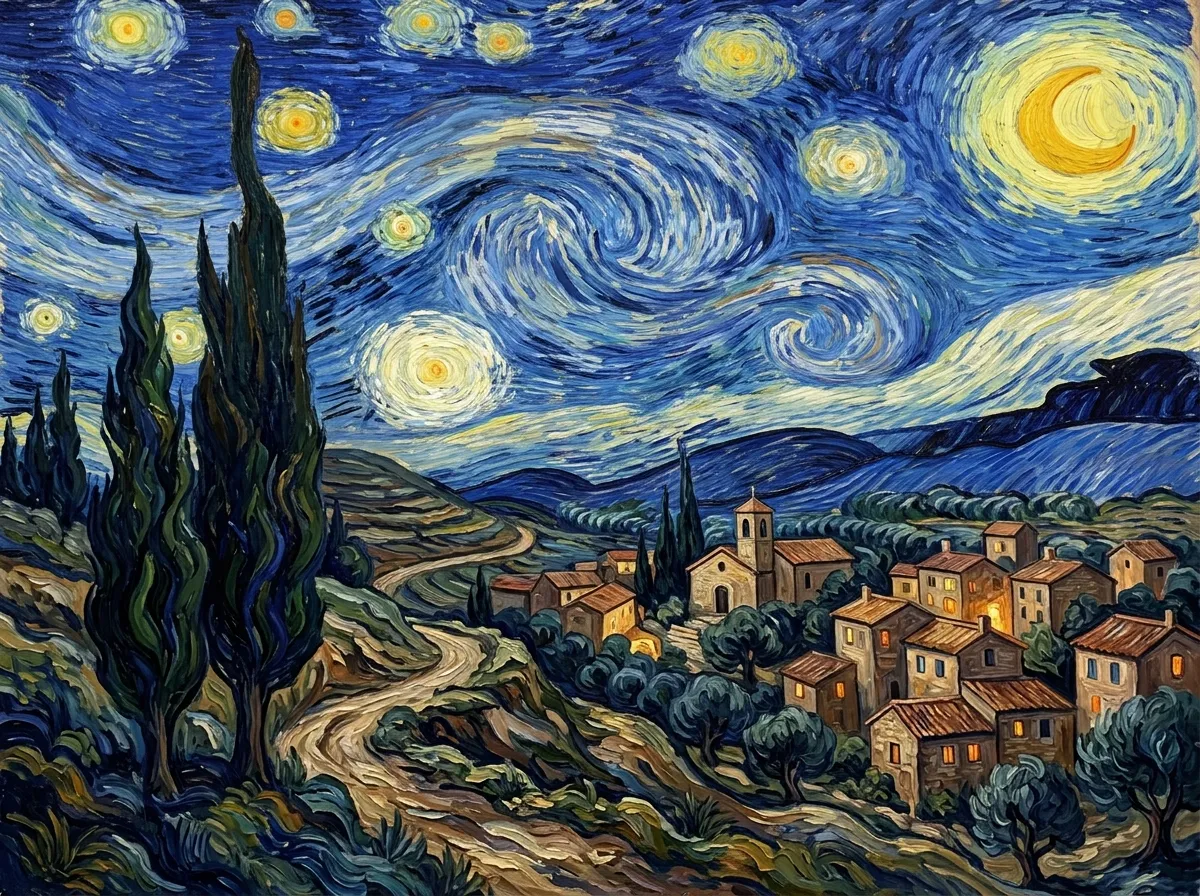
Painting 3. Night Village and Cypresses
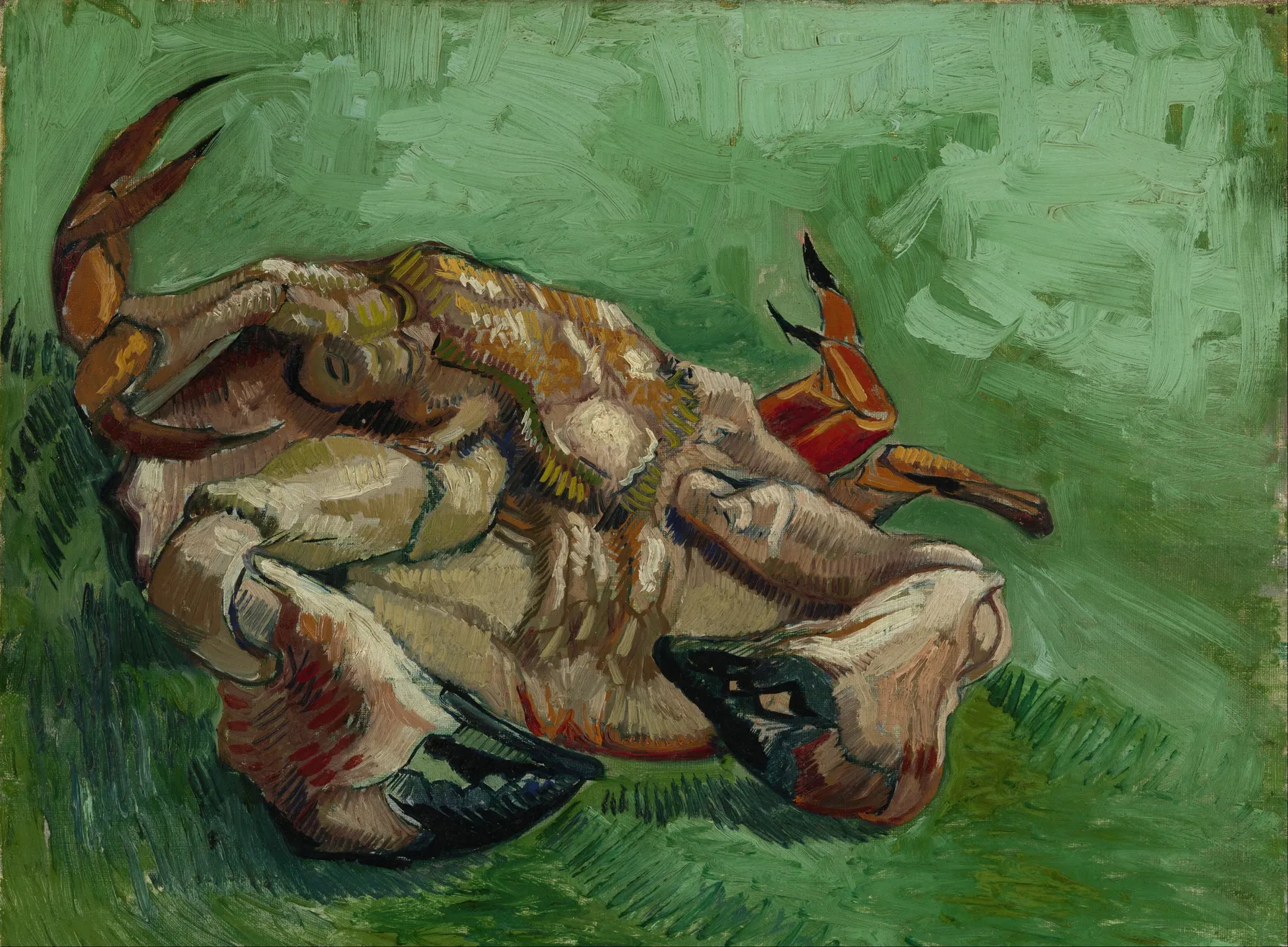
Painting 4. Crab on a Green Background
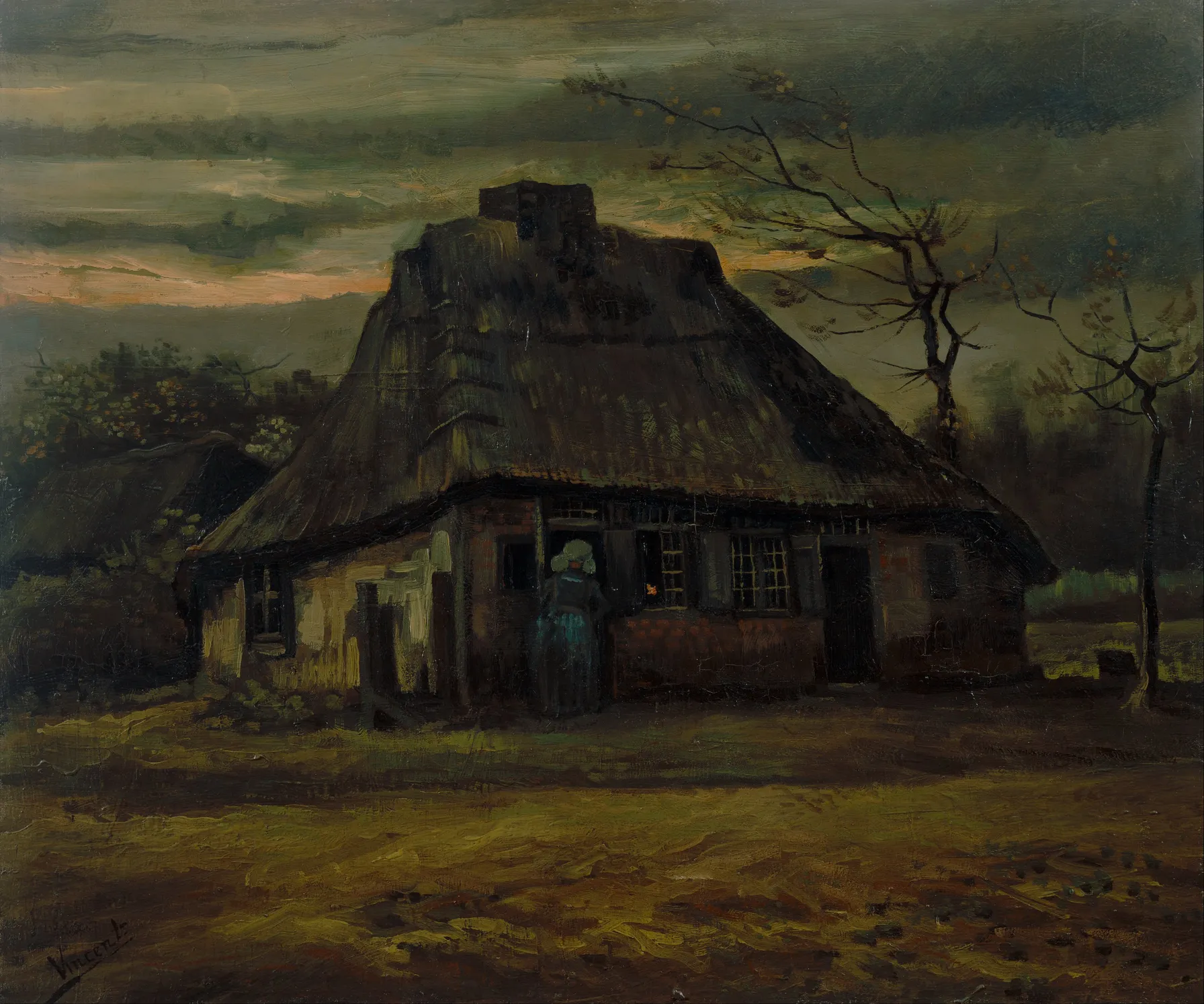
Painting 5. House with a Thatched Roof
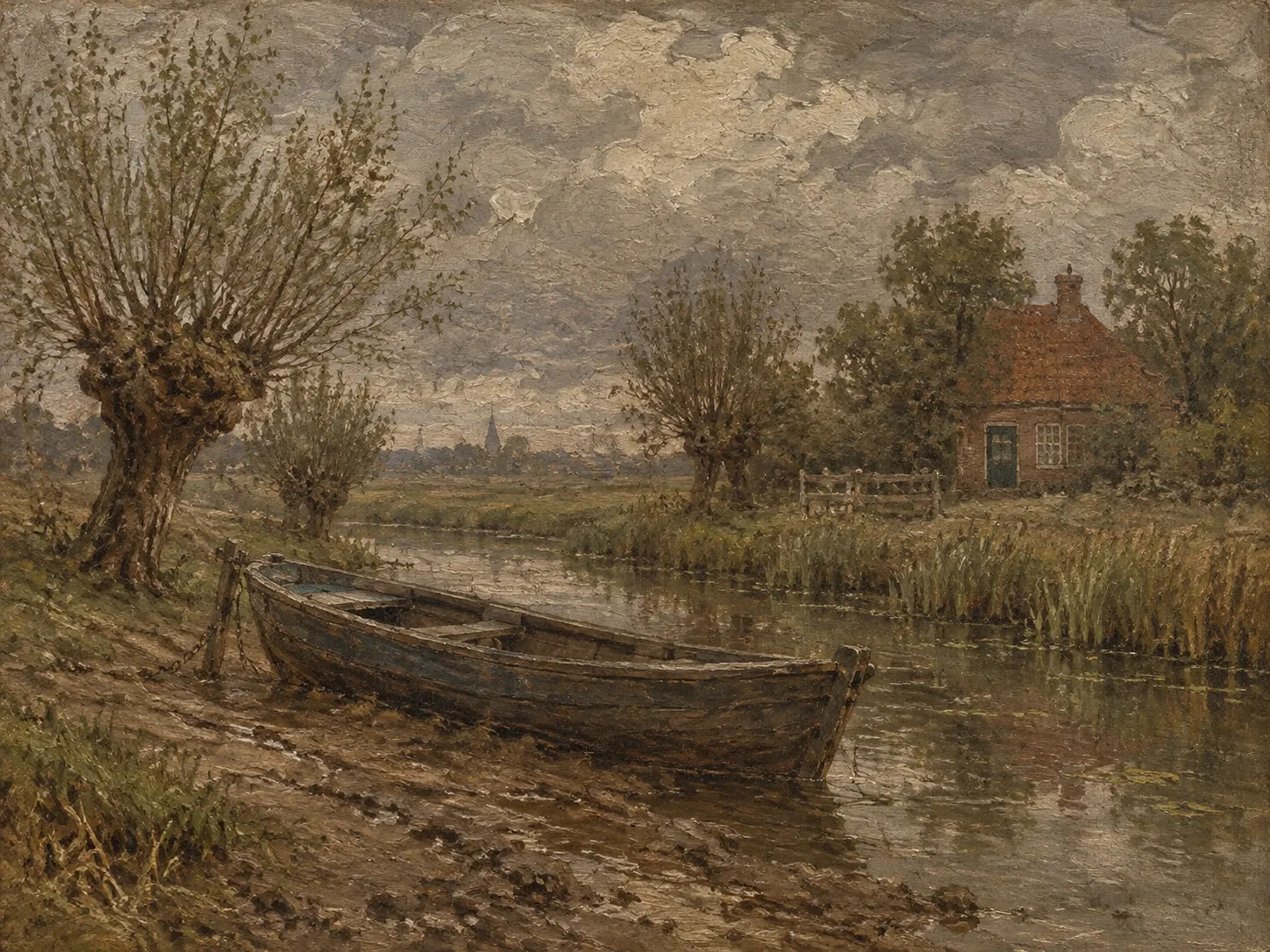
Painting 6. Fishing Boat by a Canal
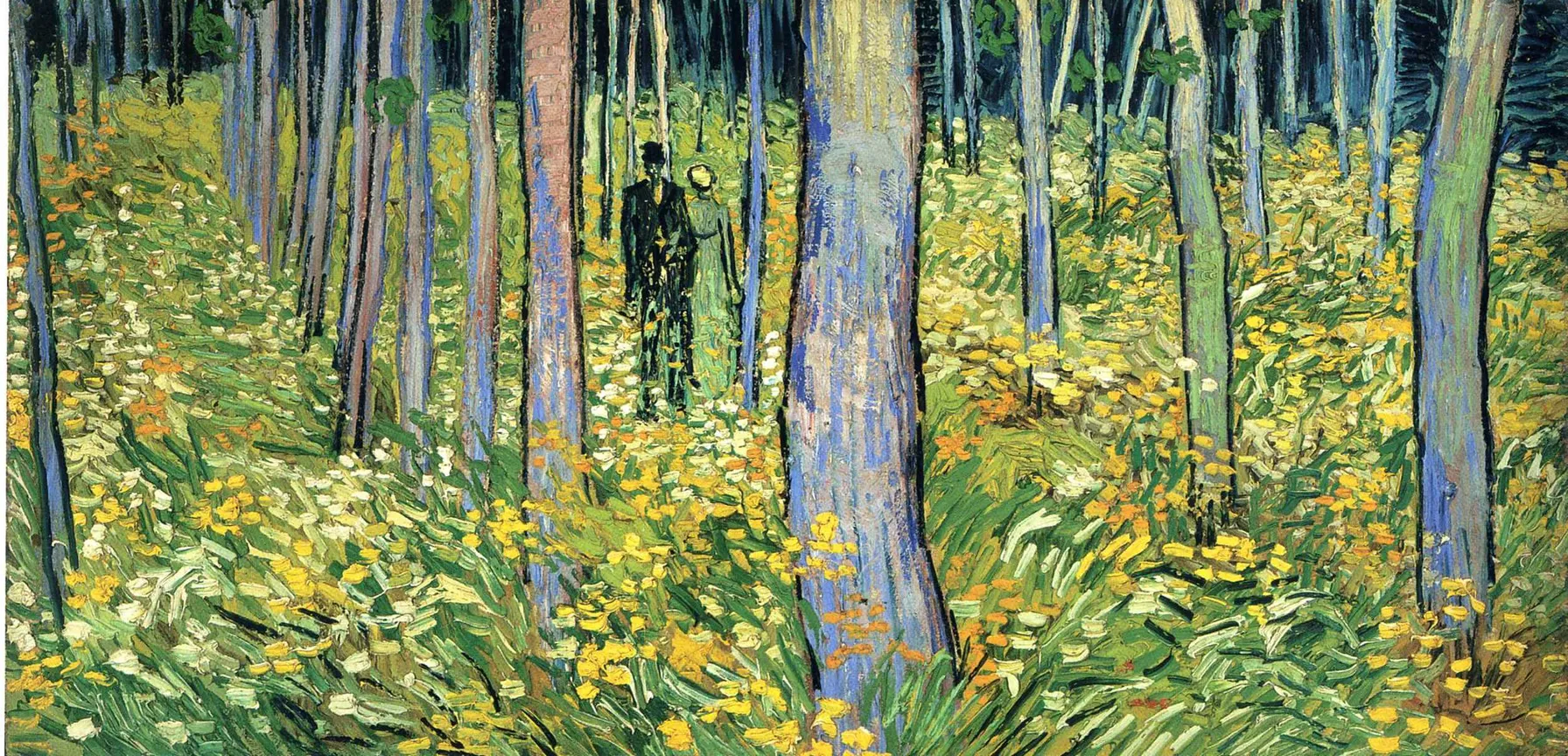
Painting 7. Forest and Two Figures
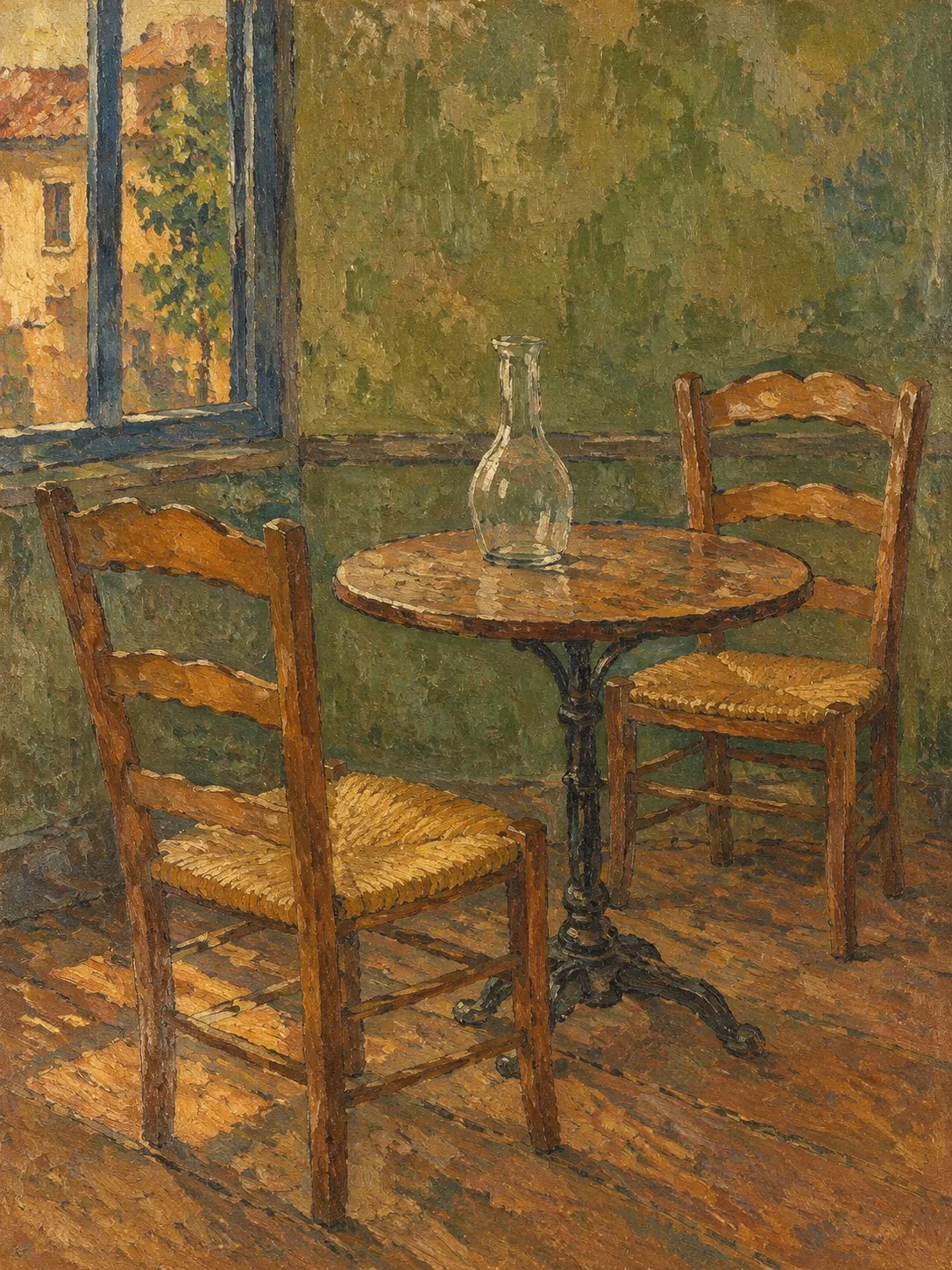
Painting 8. Corner of an Empty Cafe
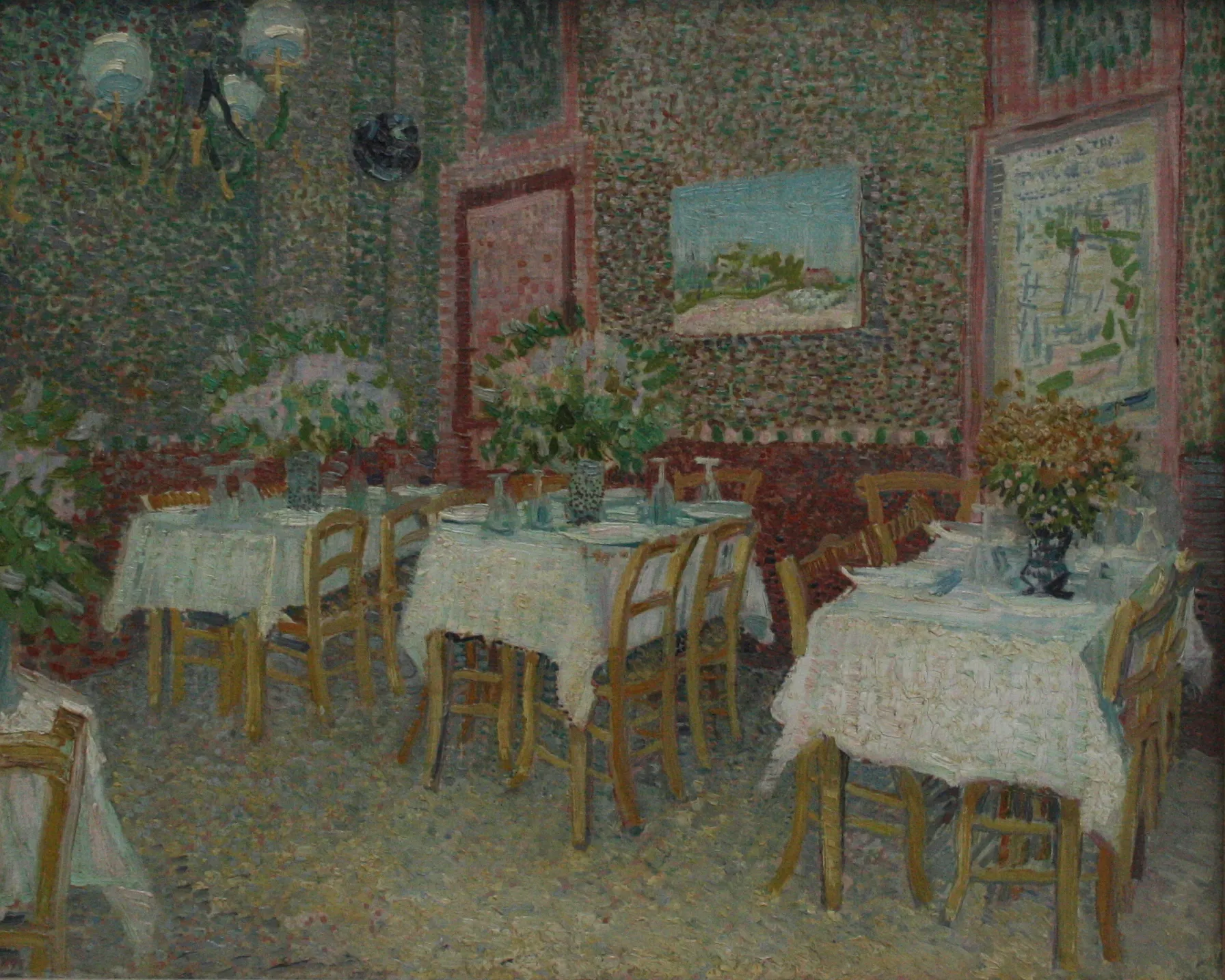
Painting 9. Parisian Restaurant Interior
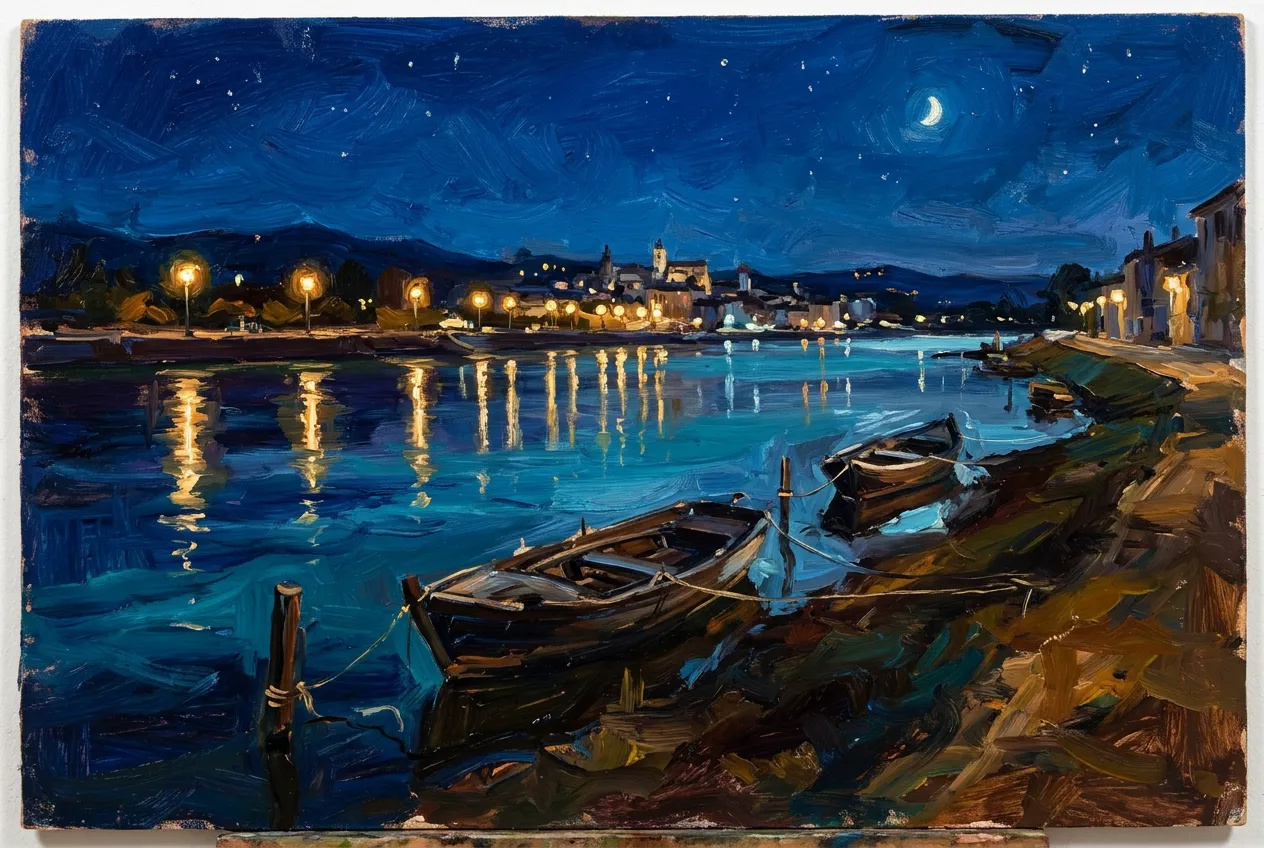
Painting 10. Embankment Lights over a River
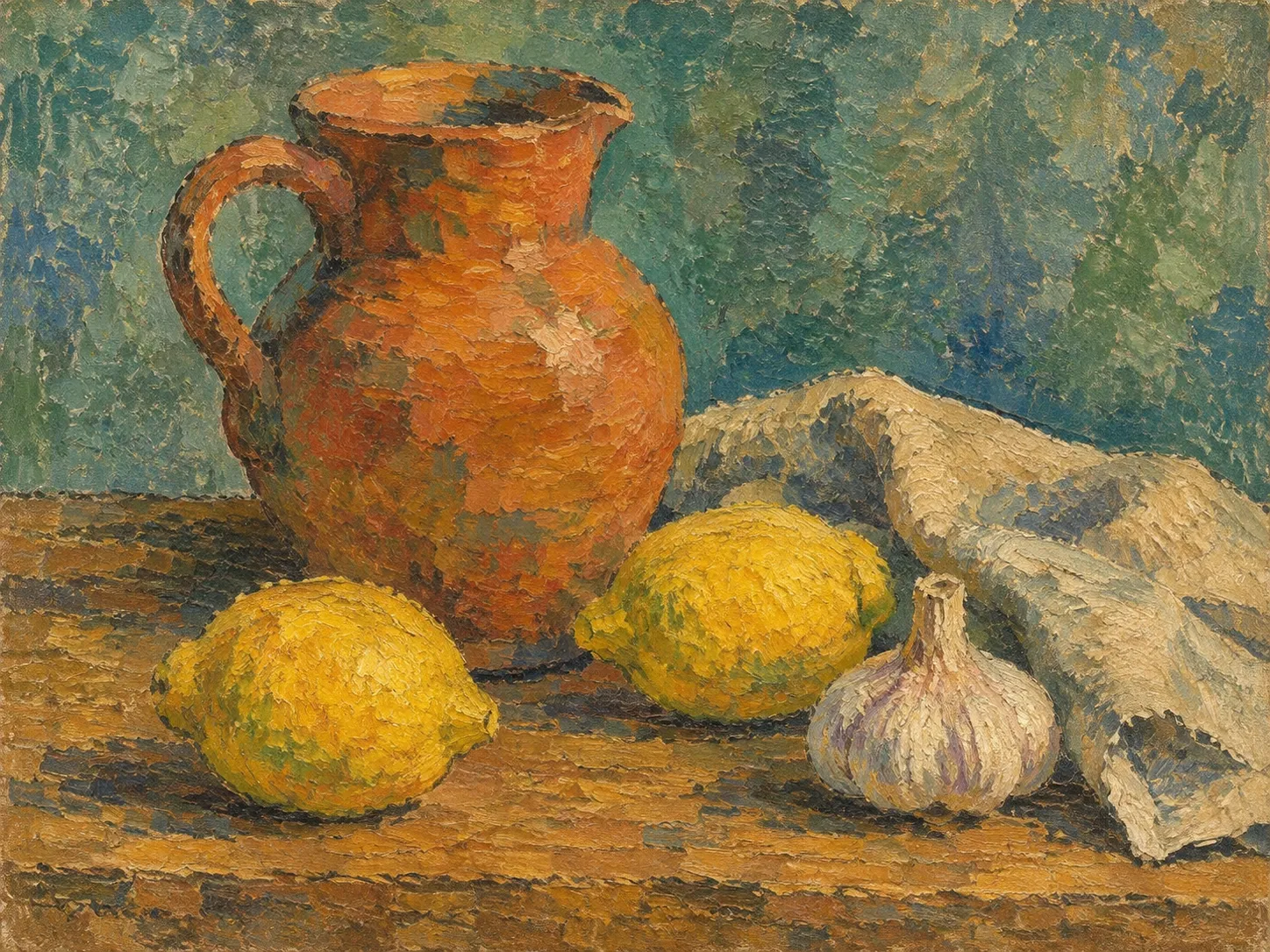
Painting 11. Pitcher, Lemons, and Garlic
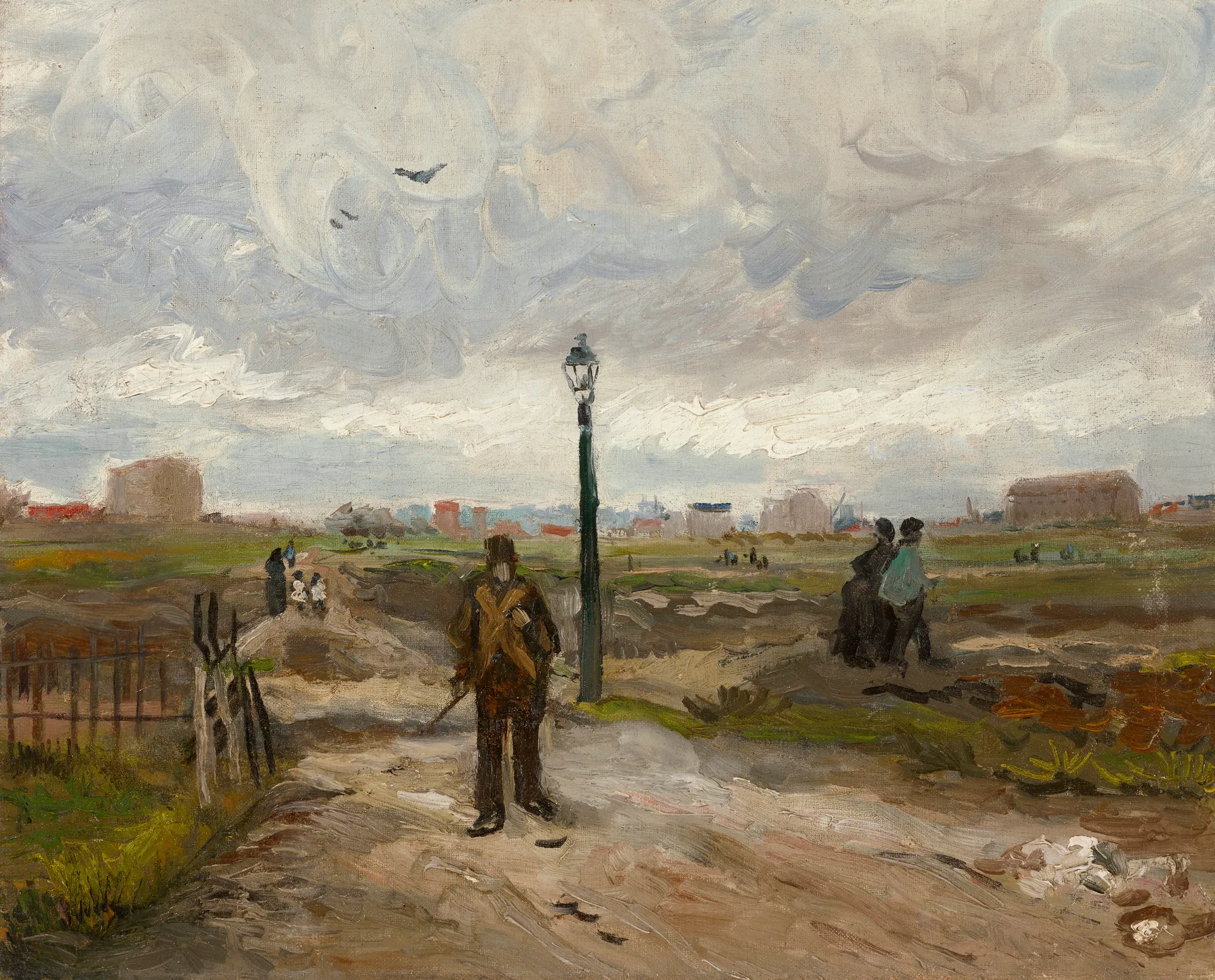
Painting 12. Outskirts of the City
What to Look For to Tell Real Oil Paintings from AI
- Brushstroke logic. A human painter uses the brush to follow the volume and direction of real objects. AI models often spread decorative swirls as an even surface filter across the entire frame.
- Canvas texture and craquelure. Museum scans show uneven paint thickness and irregular age cracks. AI surfaces tend to look either too smooth or stamped with a repeating micro-grid.
- Small edges and details. Check tree branches, windows, distant figures, and reflections - in AI stylizations they often melt into vague shapes when you zoom in.
How to Generate a Van Gogh-Style Painting
Typing only in the style of Van Gogh usually gives you a cliché postcard with neon swirls from The Starry Night. For a more believable painting, build your prompt out of four parts:
- Subject and period palette. Use earthy pigments for early Dutch scenes, or Prussian blue, cobalt, warm ochre, and burnt sienna for late French landscapes.
Prompt snippet:
Oil painting of a stone bridge over a quiet canal in southern France at dusk, warm ochre stone, Prussian blue and deep cobalt evening sky, muted olive trees along the bank. - Brushstroke shape and direction. Describe how the brush actually moves instead of relying on vague words like "painterly".
Prompt snippet:
Expressive long sweeping flat-brush oil strokes following the ripples of the water and drifting clouds, varied brush widths, raw hand-painted edges. - Avoid the scaly micro-grid. Words like
coarse linen canvasandcraquelureoften cause models to stamp a uniform diamond pattern across the whole image. Explicitly rule it out instead. Prompt snippet:Natural organic oil paint surface, no visible linen weave, no craquelure, no scaly or mosaic texture. - Strip away extra framing. Keep the model from adding a gold picture frame, camera glare, or a fake signature in the corner.
Prompt snippet:
Flat gallery view, no glare, no frame, no signature, no text.
Put all four pieces together and swap the scene in the first sentence:
Oil painting of a stone bridge over a quiet canal in southern France at dusk, warm ochre stone, Prussian blue and deep cobalt evening sky, muted olive trees along the bank. Expressive long sweeping flat-brush oil strokes following the ripples of the water and drifting clouds, varied brush widths, raw hand-painted edges. Natural organic oil paint surface, no visible linen weave, no craquelure, no scaly or mosaic texture. Flat gallery view, no glare, no frame, no signature, no text.Want to try this template yourself? Explore image generation models in GPTunneL - copy the prompt, swap the subject, and see what comes out.